EU AI Act Compliance: Why Traceable Evidence Wins Startup Deals

If you provide AI systems in the EU, deploy them there, or your system’s output is used in the EU, the AI Act likely applies to you. Obligations scale with risk class, so classify every system early. Your best first move is to run the official AI Act Compliance Checker, then start documented risk management and technical documentation.
TL;DR:
- Providers outside the EU remain covered when they sell systems into the EU or their outputs are used there; substantial modifications can transfer provider duties.
- Systems in the high risk tier require conformity checks, CE marking, registration, and lifecycle risk controls; chatbots and synthetic media also trigger transparency duties.
- General purpose AI providers must share documentation with downstream providers, publish training content summaries, and maintain copyright policies; systemic risk adds evaluations and cybersecurity duties.
- Chatbot and generative system transparency rules have been enforced since August 2, 2026, while some high risk duties extend into 2027 and 2028.
- Deployers must follow instructions, assign human oversight, monitor performance, and report incidents where required; providers remain responsible throughout a high risk system’s lifecycle.
Table of Contents
- 1. Who and what the AI Act covers
- 2. How the risk tiers work in practice
- 3. What each role must do
- 4. A compliance checklist you can start today
- 5. Deadlines and phased enforcement
- 6. Enforcement, penalties and who polices what
- 7. Official tools, guidance and standards
- 8. Why traceable evidence wins deals for startups
- FAQ
- Sources
- Where we can help
1. Who and what the AI Act covers
The Act reaches providers placing AI systems on the EU market or putting them into service, whether they sit inside or outside the Union. It also covers deployers located in the EU and, in specific cases, third-country providers and deployers whose system output is used in the EU. The text itself is published in the Official Journal.
Scope hinges on the definition of an AI system in Article 3(1). The Commission’s guidelines on that definition break it into seven elements and take a lifecycle view, so only certain systems carry regulatory obligations. Test your software against those elements before assuming you are in or out.
Edge cases worth checking:
- Placing a system on the market differs from purely internal use, so document which one applies to each system.
- Research and development activity can fall under exemptions, but only while the system stays in that setting.
- Some documentation duties for general-purpose AI models do not apply to open-source releases unless the model poses systemic risk.
- Distributors, importers or deployers become providers if they substantially modify a system or change its intended purpose.
2. How the risk tiers work in practice
The regulation sorts systems by risk, and the Commission’s implementation guidance frames compliance around that approach.
- Prohibited practices: unacceptable-risk uses that cannot be placed on the market at all.
- High-risk systems: these follow New Legislative Framework mechanics: conformity assessment, technical documentation, CE marking and lifecycle risk management. Article 8 sets the requirements, including a risk management system and consideration of the state of the art. The Act and its Annexes list the use cases that count as high-risk, so read them against your product.
- Transparency obligations: Article 50 requires telling people when they interact with AI, marking outputs in machine-readable form, and disclosing deepfakes. A customer-facing chatbot or a synthetic image generator lands here.
- General-purpose AI models: Chapter V rules apply to the model provider, with extra duties where systemic risk exists.
A system can sit in more than one tier. A hiring tool with a conversational interface, for example, can trigger both high-risk and transparency duties.
3. What each role must do
Duties follow your role, so assign them internally and across suppliers before you build anything.
- Providers of high-risk systems maintain a risk management system under Article 9, prepare technical documentation, issue the EU declaration of conformity, apply CE marking and register the system. The implementation guidance notes that providers stay responsible across the lifecycle, even for systems designed before enforcement dates.
- Deployers operate systems according to the instructions for use, assign human oversight, monitor performance and report incidents where required.
- Providers of general-purpose AI models keep technical documentation, share it with downstream providers, maintain a copyright compliance policy and publish a public summary of training content, per Article 53. Systemic-risk models add model evaluations and cybersecurity measures.
- Everyone in the chain needs written agreements. Article 25 makes cooperation along the value chain a legal expectation, and the documents you need may sit with a supplier.
Pro Tip: Build a one-page responsibility matrix that names who owns each duty for each system, then attach it to every supplier contract.
4. A compliance checklist you can start today
Work through these in order, and put public-facing generative systems and anything touching safety or fundamental rights at the front of the queue.
- Inventory and classify. List every AI system and test it against Article 3(1) and the Annexes, using the Compliance Checker for a first pass.
- Stand up risk management. Align to Article 9, and record decisions, mitigations and residual risk as you go.
- Assemble evidence. Prepare technical documentation and testing records, since Article 8 expects them wherever high-risk status is triggered.
- Lock down suppliers. Formalize agreements so that downstream model information and cooperation are contractually guaranteed.
- Operationalize transparency and oversight. Build user notices, machine-readable marks, human oversight and an incident reporting process. These transparency rules are already being enforced.
Security hygiene belongs in the same workflow. Secure data handling and deployment discipline overlap with the documentation you will need, and this practical compliance guide for small businesses shows how a scoped, documented approach reduces exposure.
If your startup is based outside the EU and also selling into the US, our US compliance checklist for foreign cybersecurity startups pairs well with this one, because much of the evidence you gather serves both markets.
Pro Tip: Version every document from day one. Conformity reviewers and enterprise buyers both ask what changed, when and why.
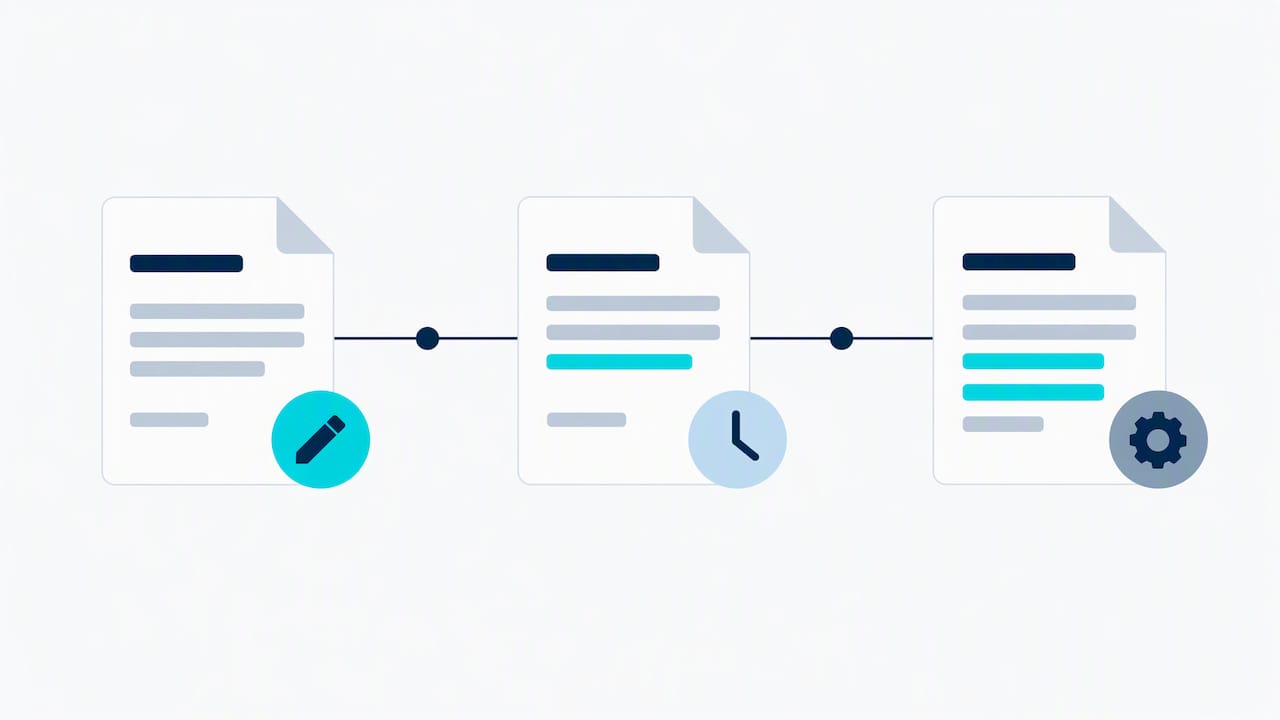
5. Deadlines and phased enforcement
Dates are staggered, so track each one against your own systems.
- 2 August 2026: the AI Office and national authorities began enforcing many provisions, including transparency rules for chatbots and generative systems.
- High-risk obligations: the AI Omnibus extended deadlines for some high-risk obligations to late 2027 and 2028, giving time for harmonized standards.
- General-purpose AI: provider obligations run on their own phased dates under the Act and guidance.
- Earlier systems: systems placed on the market before the relevant dates are not exempt in practice. Substantial modifications can trigger reassessment, so log every significant change.
6. Enforcement, penalties and who polices what
The enforcement framework splits roles. The AI Office handles general-purpose AI models and designated systems, national competent authorities handle most other provisions, and the European Data Protection Supervisor covers EU institutions.
- Sanctions: penalty tiers scale by breach class, and the top tier is reserved for prohibited practices. Lower maxima apply to other breaches.
- Tools: authorities can request information, evaluate models and issue administrative decisions.
- Channels: complaint and whistleblower routes exist, so assume a competitor, customer or employee can trigger a review.
- Transparency first: labeling duties for AI-generated content are foundational and apply before the high-risk deadlines.
7. Official tools, guidance and standards
Lean on primary resources rather than secondhand summaries.
- Classification: the Compliance Checker explains which rules may apply to providers, deployers and other operators.
- Interpretation: the Commission’s guidance and definition guidelines settle most borderline calls.
- Codes of Practice: the transparency code is voluntary, yet it works as a de facto framework until harmonized standards arrive.
- Standards: once published, harmonized standards give a presumption of conformity, so treat them as your primary benchmark.
For a deeper view of traceability practice, our piece on decision receipts and AI accountability covers how to record automated decisions.
8. Why traceable evidence wins deals for startups
Most startups treat documentation as a tax paid at the end. I think that gets it backwards. When you classify early and keep decisions traceable, conformity assessment becomes assembly instead of archaeology, and buyers see a team that can prove its claims. Forensic-grade evidence also makes incident handling credible. Start with four deliverables: an inventory, a risk log, a technical documentation outline and a supplier agreement plan.
— Thiago Vieira
FAQ
Does the EU AI Act apply to companies in the US?
Yes, in specific cases. The Act covers providers placing AI on the EU market regardless of where they are established, and third-country providers and deployers when the system’s output is used in the EU.
Is the EU AI Act being enforced yet?
Yes, in part. Since 2 August 2026 the AI Office and national authorities enforce many provisions, including transparency rules, while some high-risk obligations phase in later.
What is the EU AI Act regulation?
It is Regulation (EU) 2024/1689, a risk-based law that sets obligations for AI providers, deployers and other operators in the Union. The full text is in the Official Journal.
What are the EU AI regulations for 2026?
The main near-term items are active enforcement and the transparency rules for chatbots and synthetic content, plus rules for general-purpose AI models. Some high-risk deadlines were pushed later by the AI Omnibus.
Sources
- Article 2: Scope | AI Act Service Desk
- Implementation Guidance for the EU AI Act
- Commission starts enforcing AI Act rules and new transparency requirements on 2 August | Shaping Europe’s digital future
- Article 53: Obligations for providers of general-purpose AI models | AI Act Service Desk
- Navigating the AI Act | Shaping Europe’s digital future
Where we can help
If you build cybersecurity or AI products and want to enter the US with credible, forensic-grade evidence behind your compliance story, we run Cybertech Acceleration, the first US accelerator dedicated to digital forensics. We pair structured market entry with warm introductions and a commercial translation of your technical work, and our US market entry checklist shows the first steps. Current pricing details are on our website. Reach out through our site to check whether your startup fits our program.